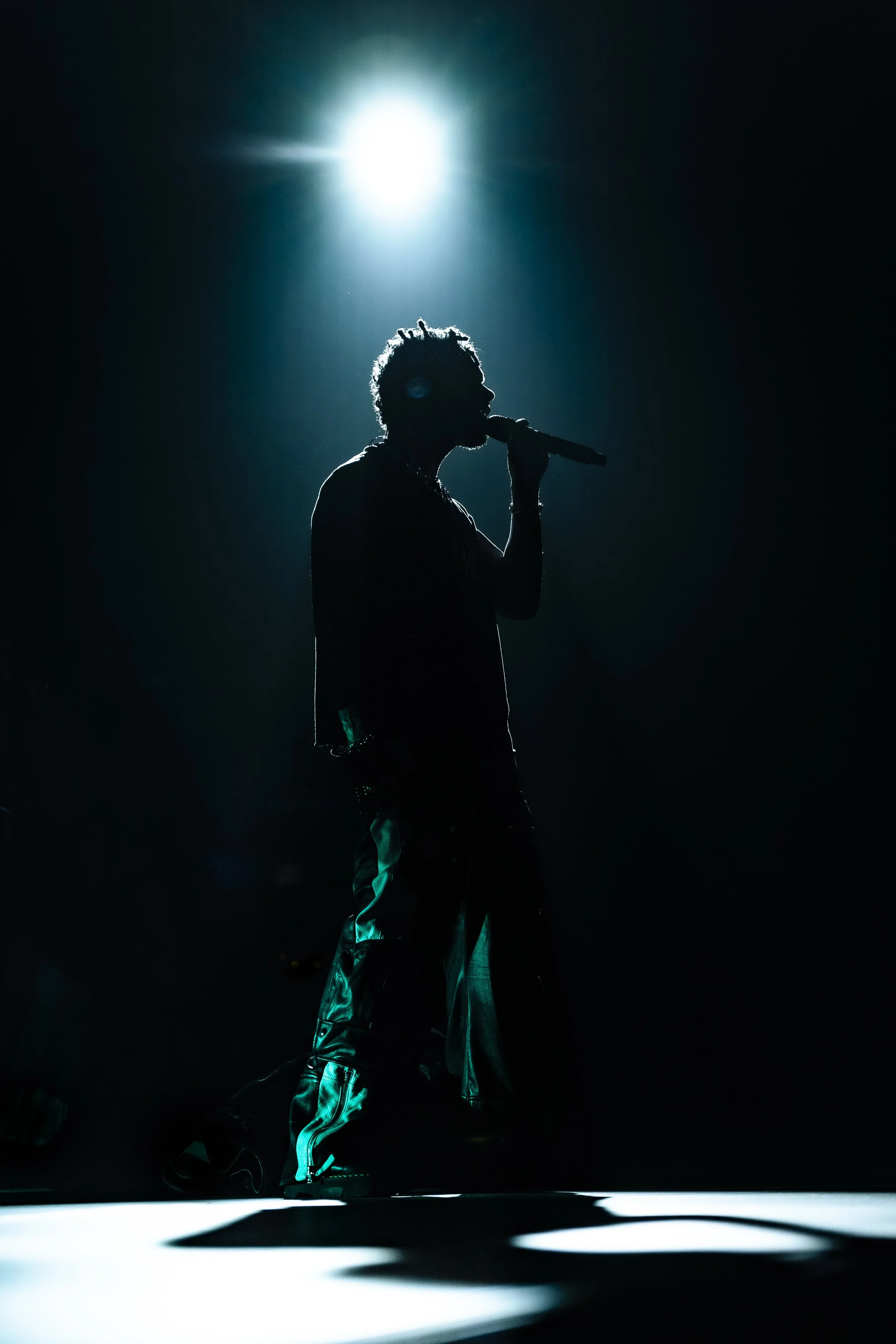
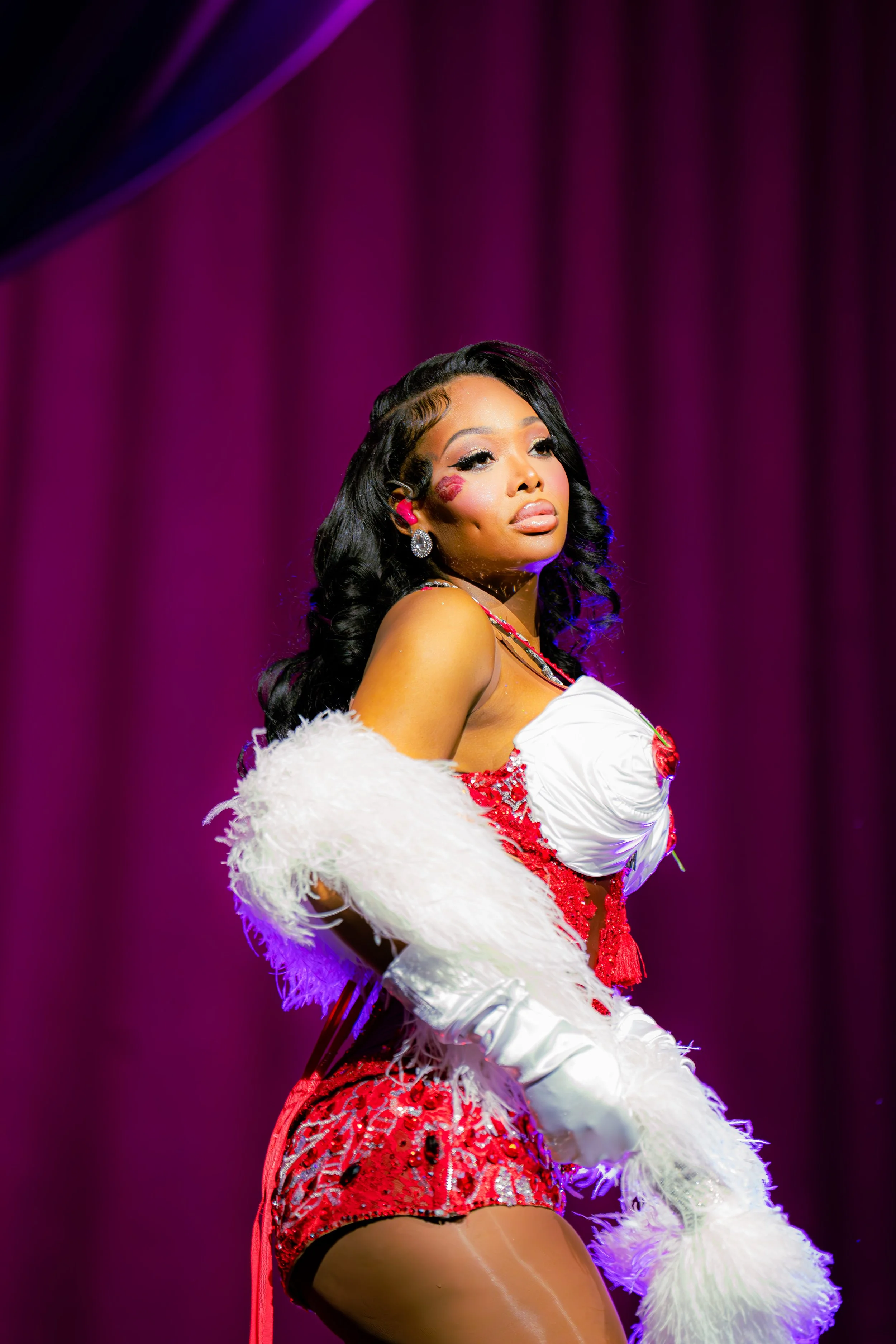
Eight Years Later, Summer Walker Finally Takes Center Stage
Written by Ada Diop
Picture this.
An elderly man in a wheelchair slowly crossed the stage as Summer Walker stood in a wedding dress before nearly twenty thousand people inside Scotiabank Arena.
For longtime fans and recent listeners, the image is instantly recognizable. It is a living recreation of the Finally Over It album cover, itself inspired by the infamous 1994 wedding between Anna Nicole Smith and billionaire oil tycoon J. Howard Marshall. A photograph that has lived for decades in popular culture as both spectacle and controversy.
Yet in Summer Walker’s hands, the image feels less like a recreation and more like a statement.
Throughout her career, Summer has built a catalog centered on the realities of modern relationships, often challenging the expectations placed on women in love. By invoking one of pop culture’s most debated relationships, she opens the show with a question that has lingered throughout the entire Over It trilogy: what are women expected to sacrifice for love, and what happens when they choose themselves instead?
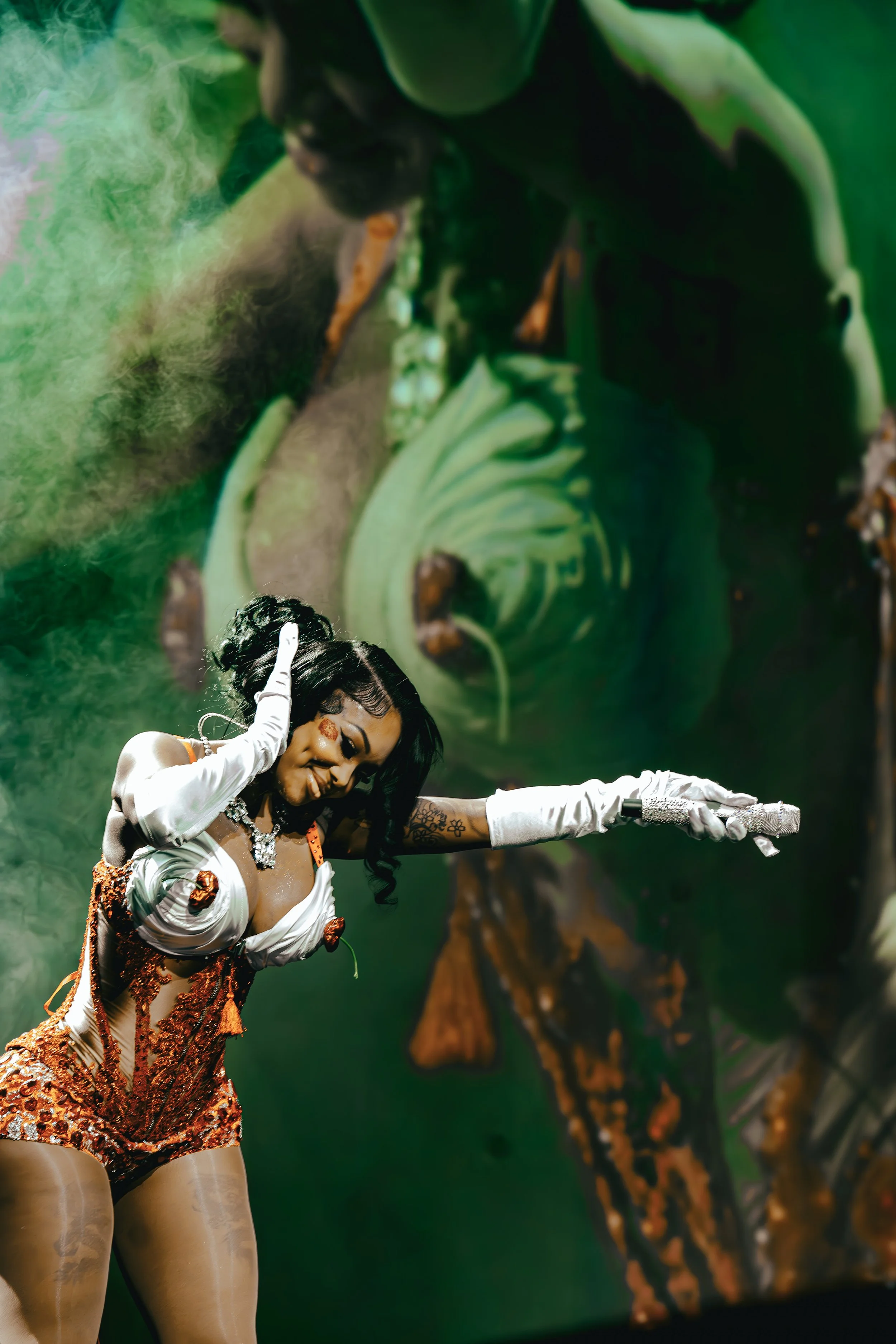
Photo by Ada Diop for THHGURU
As the image unfolds before a packed Scotiabank Arena, it becomes clear that this is the culmination of a story Summer Walker has spent nearly eight years telling.
On opening night of the Still Finally Over It Tour in Toronto, Summer Walker transformed Scotiabank Arena into a living archive of her journey through love, heartbreak, self discovery, healing, and acceptance. The result was less a concert and more a cabaret-like experience, one that invited audiences to revisit not only the different eras of Summer Walker’s career, but the different versions of themselves that existed alongside them.
The significance of the Still Finally Over It Tour extends beyond its production value. For the first time in her career, Walker is embarking on a major solo headline arena tour, a milestone that arrives at a fitting moment. Over the last eight years, she has built one of the most influential and emotionally resonant catalogs in modern R&B, turning deeply personal experiences into records that have soundtracked heartbreak, healing, self reflection, and growth for millions around the world.
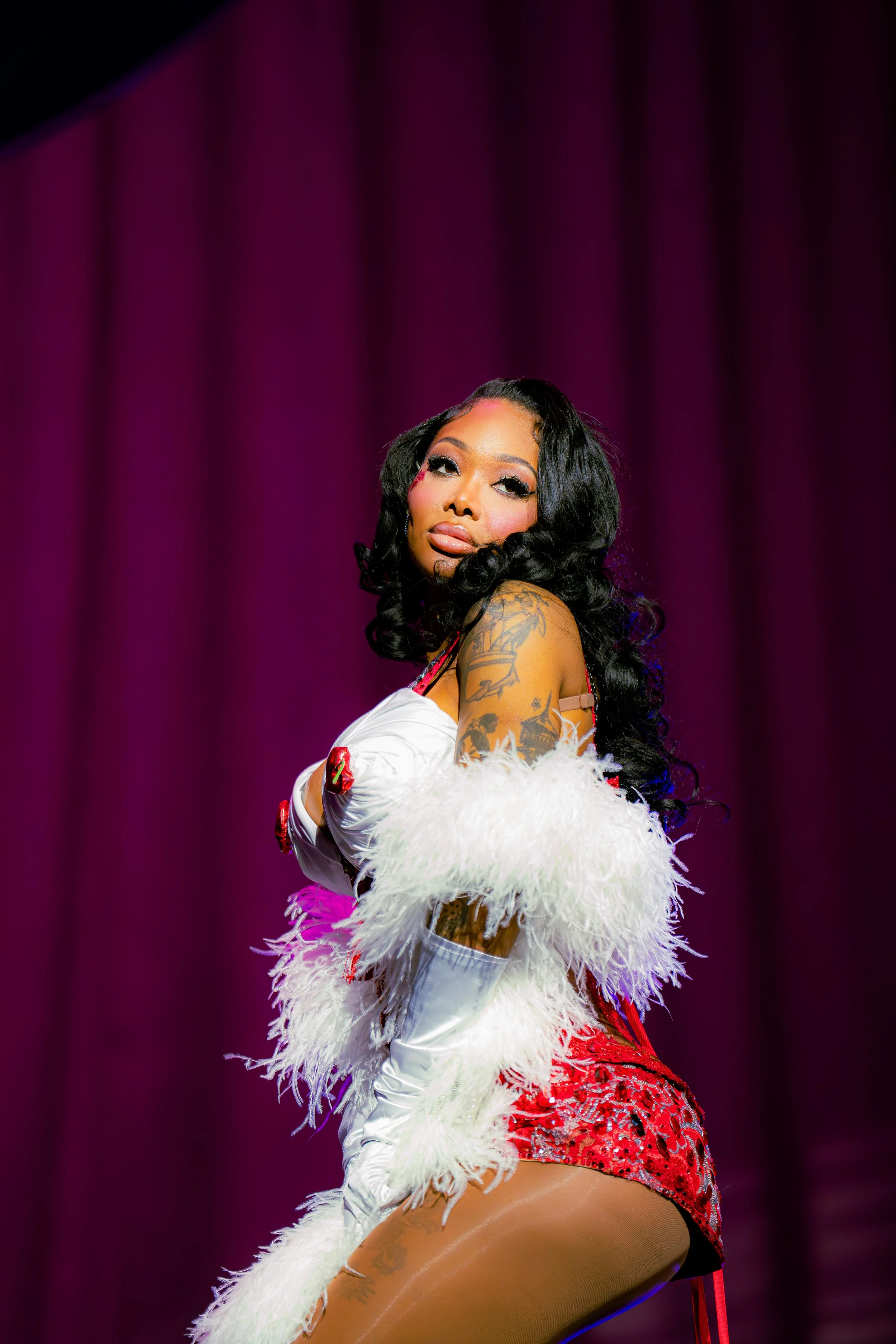
Photo by Ada Diop for THHGURU
Beginning with Over It in 2019, continuing through Still Over It in 2021, and arriving at Finally Over It in 2025, Walker has spent years documenting the evolution of relationships andwomanhood in real time. Few artists have allowed audiences such an intimate view into their emotional growth. Fewer still have managed to build an entire trilogy around it.
The decision to open with the Finally Over It cover art felt particularly fitting given what the album represents within the trilogy. If Over It documented heartbreak and Still Over It chronicled betrayal and emotional exhaustion, Finally Over It arrives at a place of acceptance. Not because the wounds disappear, but because the person carrying them has changed.
The Anna Nicole Smith imagery reinforces that complexity. It is provocative, glamorous, controversial, and deeply intentional. Much like the album itself, it asks audiences to reconsider the stories society tells about women, relationships, ambition, security, and self preservation.
Rather than offering a fairytale ending, Walker presents something far more realistic: the understanding that choosing yourself can sometimes be the most radical act of all.
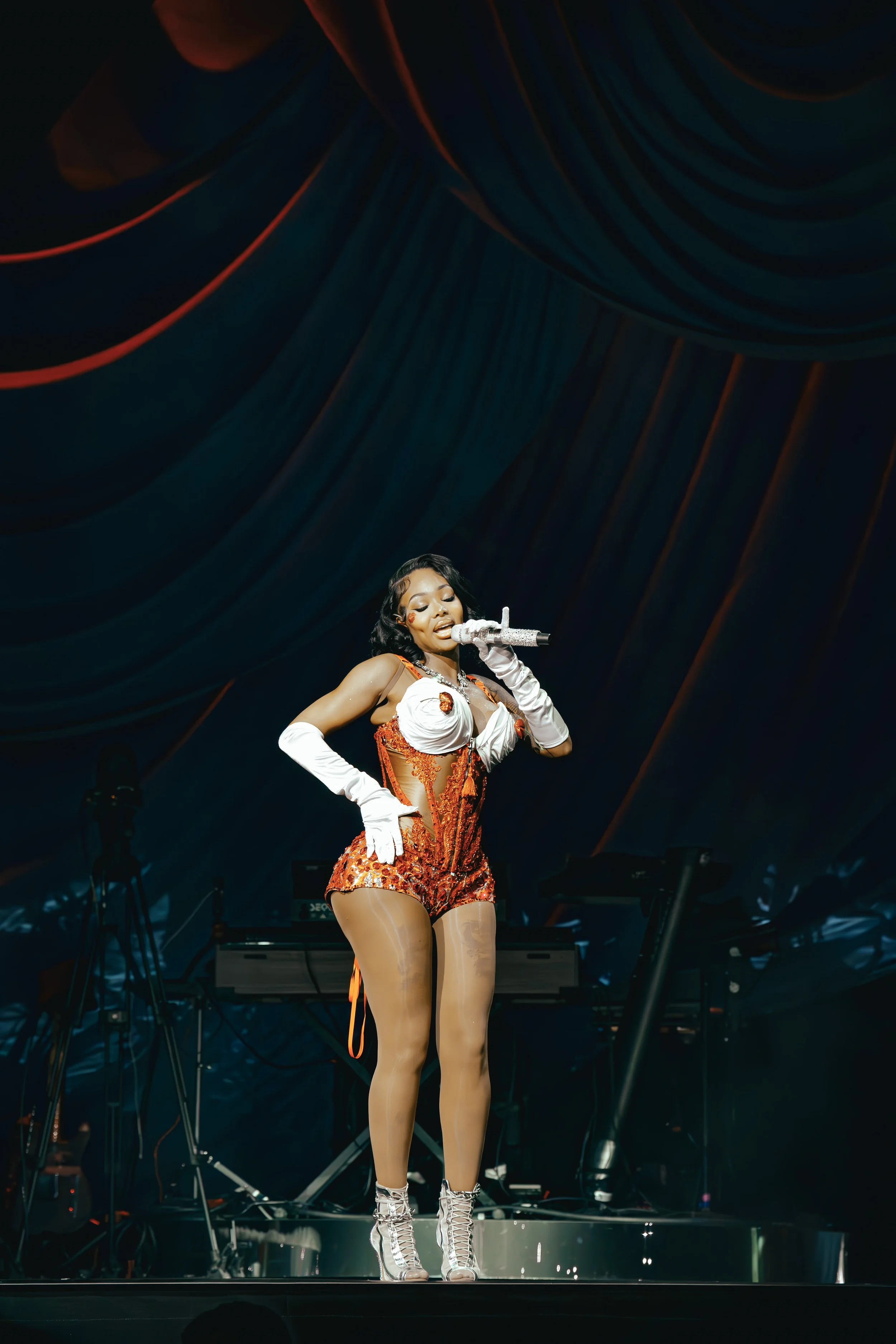
Photo by Ada Diop for THHGURU
Yet what made the show particularly compelling was its refusal to follow a straight line. The Still Finally Over It Tour is built around three defining chapters of Walker’s career, but rather than moving through them chronologically, she treats them like memories. One moment the audience finds itself in the world of Finally Over It, reflecting on healing and closure. The next, they’re pulled back into the emotional turbulence of Over It or the heartbreak and frustration that defined Still Over It.
The experience mirrors the way memory actually works, pulling you backwards and forwards through moments you thought you had already made peace with. The 5 stages of grief rarely follow an order of some sorts, pulling you into directions you need as you face the pain of loss and the peace in realization.
Because healing rarely happens in order.
Sometimes you move forward. Sometimes a song sends you backwards. Sometimes an old memory finds its way into a room you thought you’d already left.
Walker understood that. Instead of presenting the trilogy as three separate projects, she assembled them like pieces of a larger emotional puzzle, allowing the audience to experience the full complexity of the journey rather than a neatly packaged timeline.
The stage design reflected that philosophy.
Large cabaret curtains framed the production like a theatre performance; dancers moved between elaborate set pieces. Crystal embellished bodysuits shimmered beneath carefully controlledlighting. Feathered costumes, candlelit tables, vintage inspired aesthetics, and ornate props combined to create a world that felt glamorous, cinematic, and deeply personal.
One of the evening’s most striking sequences unfolded around an elaborate dining table positioned at the center of the stage. Surrounded by guests, flickering candlelight, and carefully arranged décor, Walker performed as though she were allowing thousands of strangers to witness an intimate conversation. The contrast between the scale of the arena and the intimacy of the scene became one of the show’s defining strengths.
Elsewhere, microphones decorated with pearls and crystals felt less like performance equipment and more like extensions of the world Walker had built. Every visual element appeared to belong to the same universe.
Yet what made the production truly impressive was not its aesthetics, but its commitment to momentum.
Arena concerts often expose their mechanics. The artist leaves the stage. Lights go dark. The illusion pauses while the next scene is prepared. This tour never allows that to happen.
There were moments throughout the evening where Summer Walker wasn’t the sole star of the production. The audience was.
During the Over It Karaoke Club segments, host and DJ Dos Dias transformed Scotiabank Arena into what felt like the world’s largest group therapy session. As Walker stepped away to prepare for the next chapter of the show, thousands of people willingly stepped into the spotlight themselves.
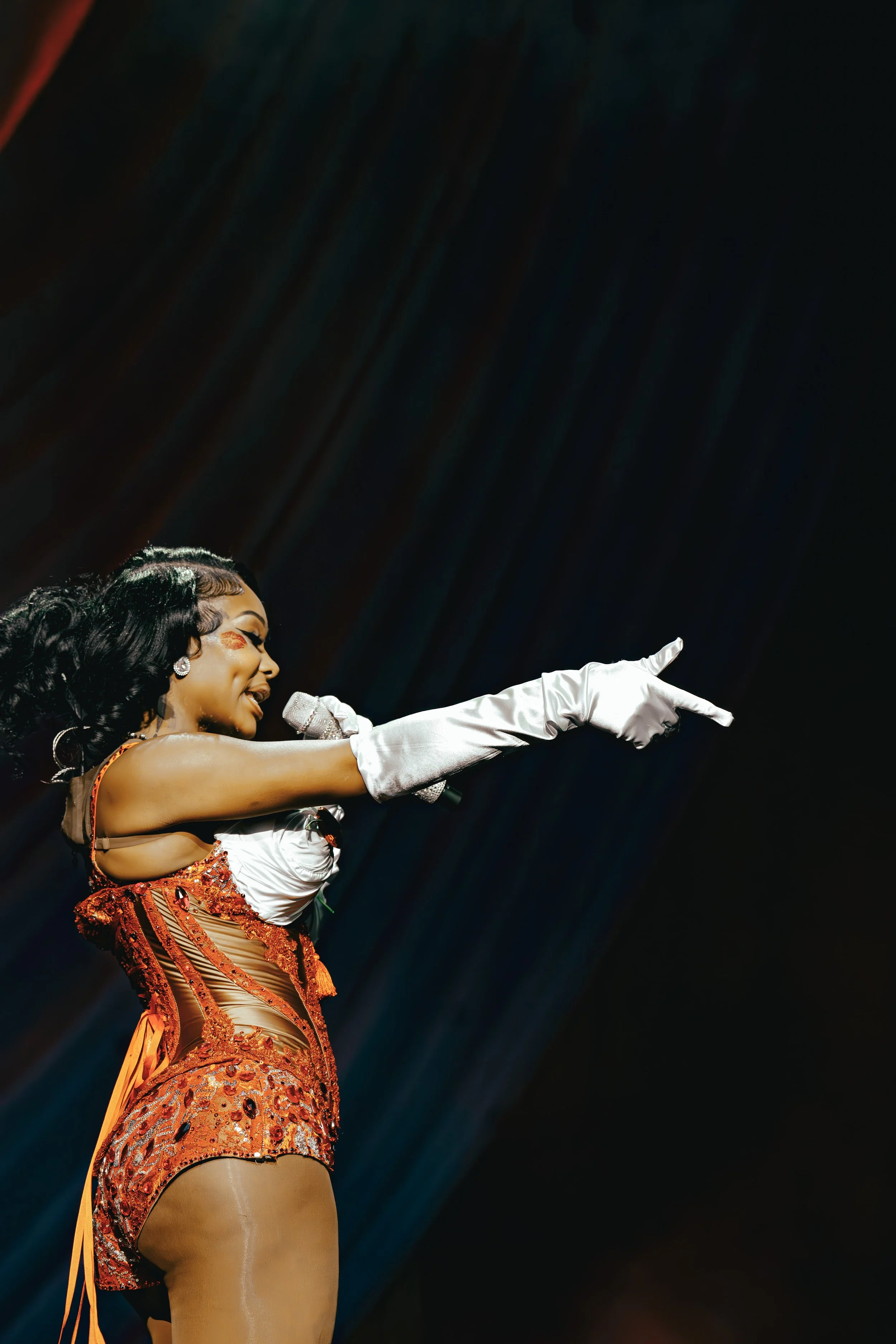
Photo by Ada Diop for THHGURU
Lyrics that once lived in bedrooms, car rides, text messages, notes app entries, and late night FaceTime calls suddenly became communal. Entire sections of the arena sang as though they were sharing a story rather than performing a song.
What could have felt like a simple intermission instead became one of the show’s smartest creative decisions. The audience stopped being spectators and became participants. For a few moments, they weren’t simply watching Summer Walker’s story unfold.
They were revisiting their own.
That feeling reached another level during “Session 32.”
Accompanied by a guitarist in a scene that resembled a quiet picnic suspended in time, the song carried a different kind of weight through the arena. Released in 2018, “Session 32” became a defining record for a generation of women navigating heartbreak, uncertainty, disappointment, and self discovery. As thousands sang every word back to Walker, it became clear that the audience wasn’t simply remembering the song.
They were remembering who they were when they first heard it.
Every woman who carried the bruises of a broken heart in 2018 seemed to revisit them for just a moment before singing herself through them once again.
A particularly touching moment arrived during Walker’s tribute to Amy Winehouse. Rather than feeling like a detour from the narrative, it felt perfectly at home within the evening’s themes. Winehouse’s influence can be heard throughout contemporary R&B’s embrace of vulnerability and emotional honesty. Rather than interrupting the show, the tribute deepened its themes, connecting Walker’s storytelling to a lineage of women who transformed personal experiences into cultural moments.
What ultimately distinguished opening night was its understanding of world building.
Many artists create concerts.
A smaller number create environments.
Fewer still create narratives.
Summer Walker spent the evening doing all three.
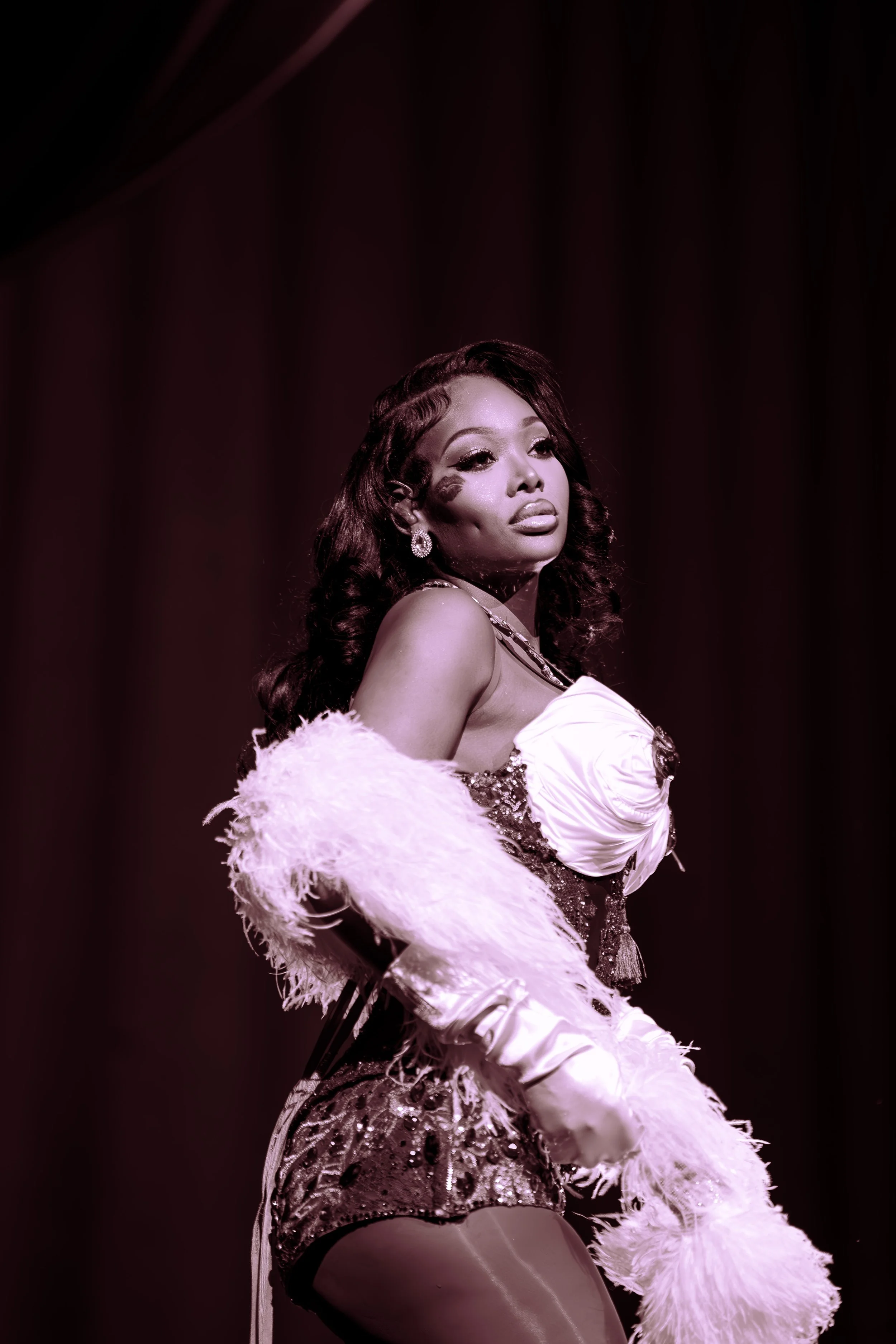
Photo by Ada Diop for THHGURU
By the time the final curtain fell, the image of that wedding dress remained difficult to shake. Not because it symbolized marriage, but because it symbolized a choice. A choice that sits at the heart of Finally Over It and perhaps the entire trilogy itself: choosing yourself after everything you’ve survived.
Every song, every transition, every visual, and every memory revisited throughout the evening felt connected to that central idea.
Still Finally Over It suggests closure, but the performance itself offered something more honest. Healing is rarely a destination. It is a process. It is messy, emotional, frustrating, beautiful, and deeply human.
Wherever you may be reading this from, whether Summer Walker’s music helped soundtrack a heartbreak, carried you through a difficult season, or simply gave language to feelings you couldn’t quite explain, this tour feels less like a concert and more like a shared experience.
The songs may belong to Summer Walker, but the emotions belong to all of us. And if the Toronto opening night is any indication of what’s to come, audiences across the rest of he tour are in for far more than a performance, stepping into a living reflection of love, loss, growth, womanhood, and healing. A reminder that moving on is rarely as simple as letting go, but somehow feels a little easier when thousands of voices are singing alongside you.
For nearly two hours in Toronto, Summer Walker explained to the audience in both verbal and non verbal ways the journey that led to her to being finally over it.
She gave an entire generation the chance to revisit their story through hers.