Breaking the Fourth Wall: J. Cole - The Fall Off Tour and the Architecture of Memory
Written by Ada Diop | Photography by Keemya Parsa
We don’t actually remember music. We remember who we were when we first heard it.
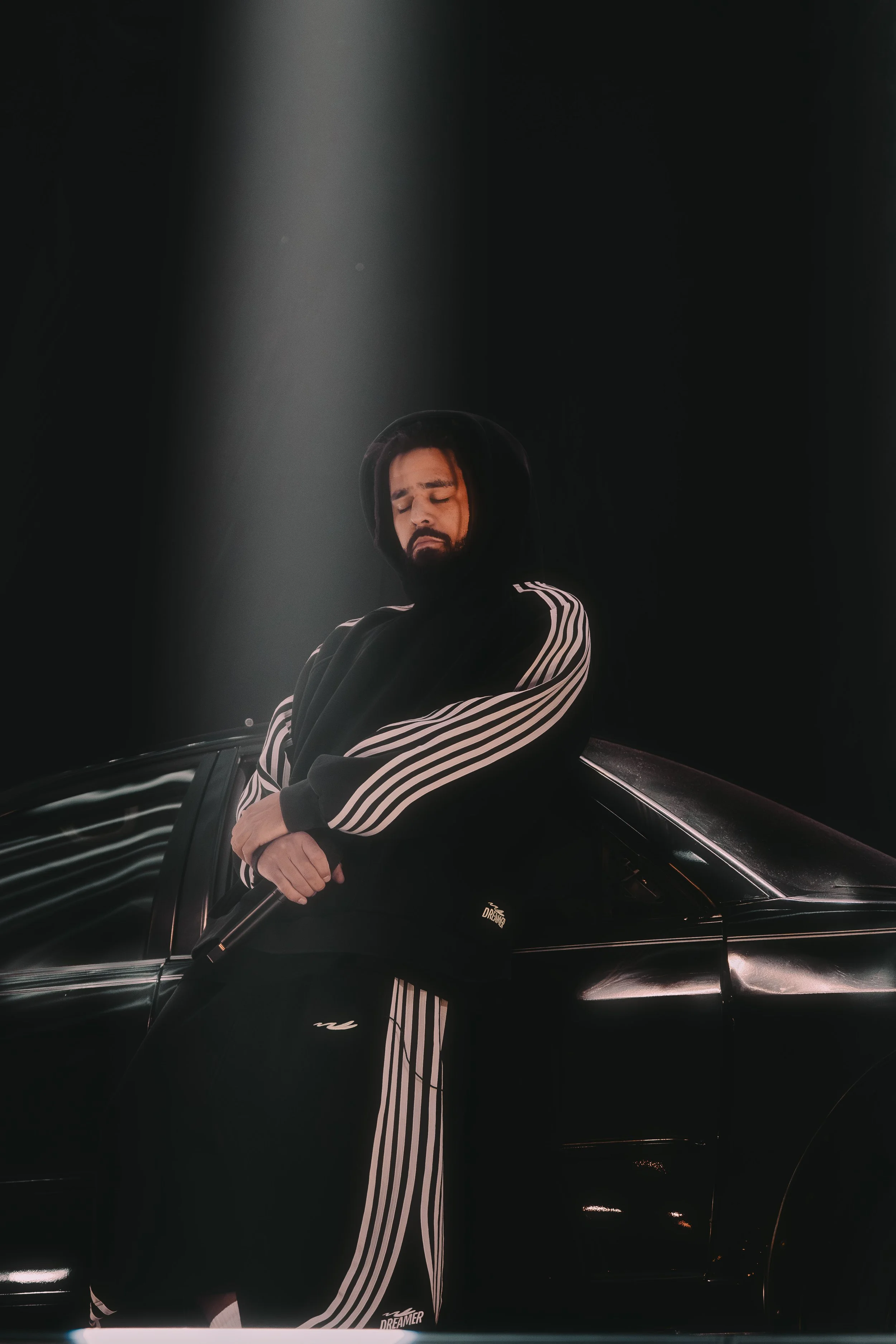
That was the quiet realization at the heart of J. Cole’s stop at Toronto’s Scotiabank Arena. Over nearly two hours, Cole managed to shrink one of Canada’s largest venues into something remarkably intimate. He didn't do it by asking the crowd to worship his past, but by forcing them to look at their own.
The Fall Off Tour skipped the usual arena spectacle and empty nostalgia. Instead, the night unfolded like a live conversation between every version of the man who has ever called himself Cole. The ambitious teenager from Fayetteville shared the stage with the global superstar, while twenty thousand people quietly recognized pieces of their own lives somewhere between the two.
That has always been Cole’s real superpower.
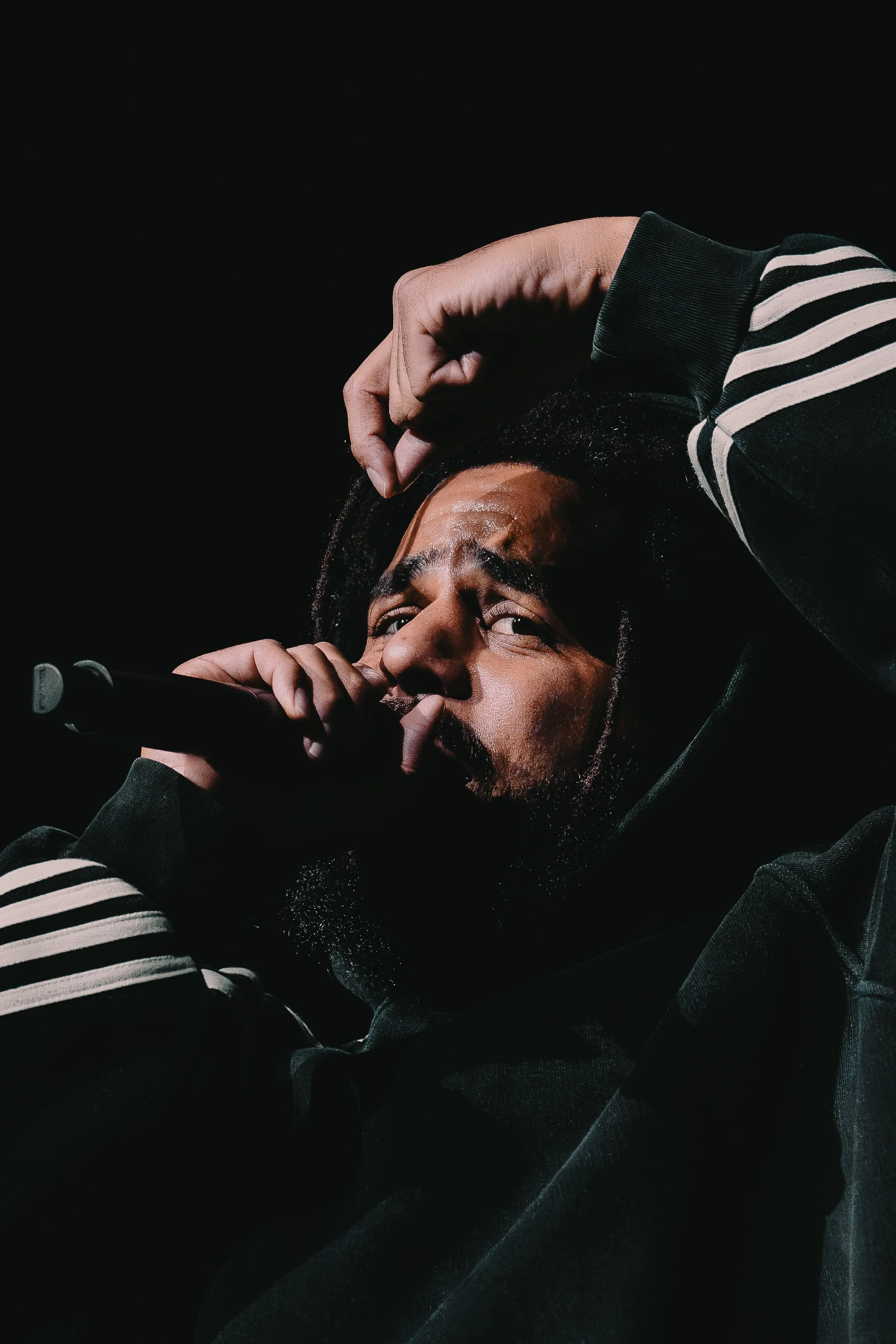
Photo by Keemya Paras for THHGURU
His career was never sustained by accolades alone. The platinum plaques, Grammys, and sold-out stadiums came later. What arrived first was trust. For over two decades, listeners have kept coming back because Cole never looked down on them. He writes with them. Every insecurity, every contradiction, and every unanswered question has been left completely exposed. That vulnerability allowed fans to build something increasingly rare in modern music: actual belief.
You could feel that trust shaping the entire evening.
Throughout the night, Cole kept breaking the fourth wall. Songs dissolved into casual stories, and those stories turned into heavy reflections. The rap-star mythology slowly evaporated until it was just Jermaine Cole speaking directly to the people who had grown up alongside him.
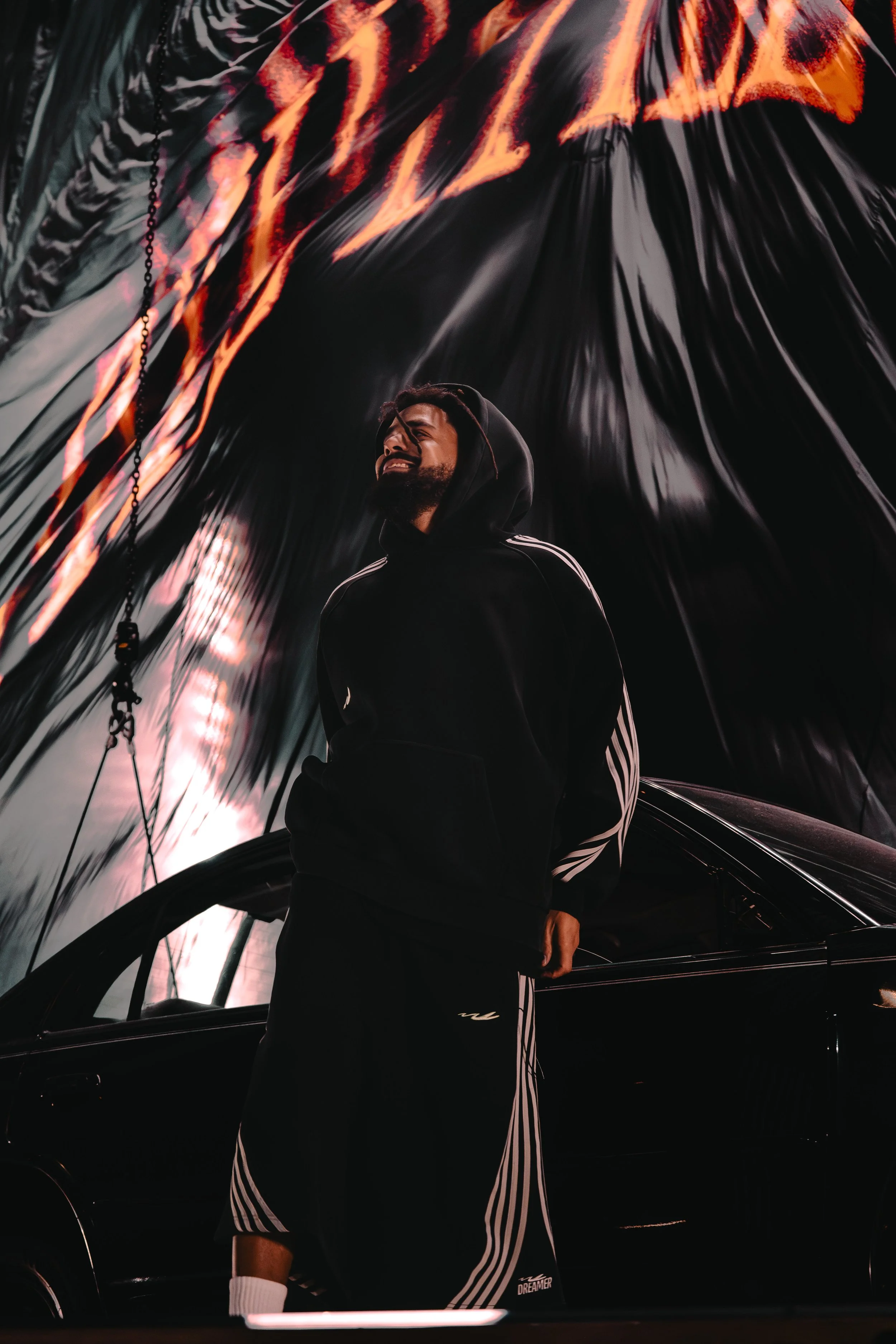
Photo by Keemya Paras for THHGURU
Before performing an array of tracks from The Fall Off, he paused to explain the album’s two chapters, inviting the audience into his creative process rather than just treating them like consumers. Later, while introducing another track, he caught himself mid-sentence.
“The realest sh*t I ever wrote…” he started, before stopping himself. “This is actually the realest sh*t I ever wrote,” and it was none other than Love Yourz.
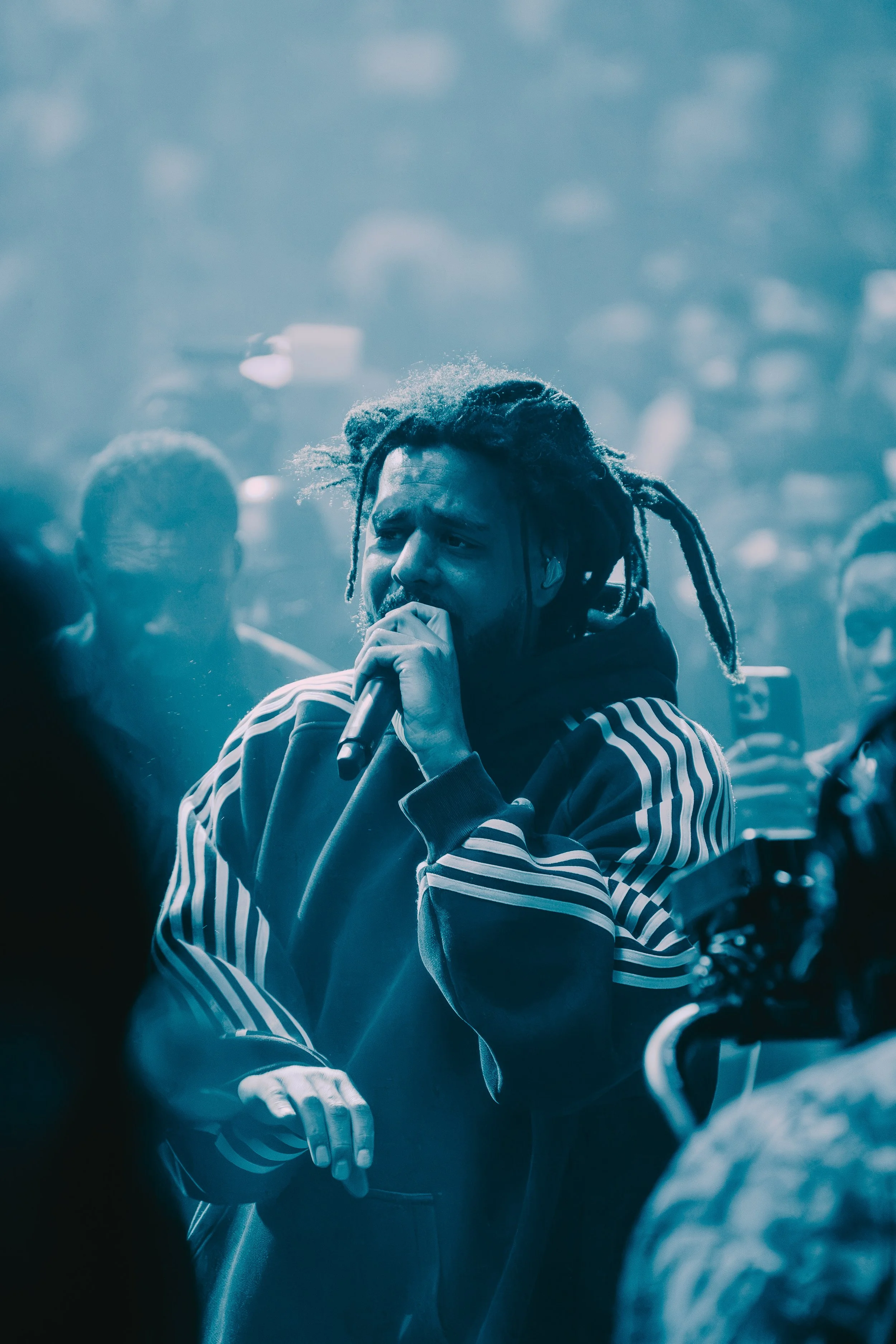
Photo by Keemya Paras for THHGURU
The correction took only a second, but it revealed his entire philosophy. Once, truth meant exposing raw pain. Now, for Cole, it lives somewhere quieter, in gratitude, perspective, and the realization that success means nothing if you don't have people to share it with. It wasn’t just a slick way to introduce a song; it was proof that, even after twenty years in the spotlight, he still allows himself to grow up in public.
That honesty hit its emotional peak right before “Love Yourz.” Looking out across the arena, Cole spoke directly to the couples scattered through the crowd, telling them he hoped they would go the distance, the kind of distance that lasts until death. The room went completely silent. It didn’t sound like a rehearsed concert bit. It sounded lived-in.
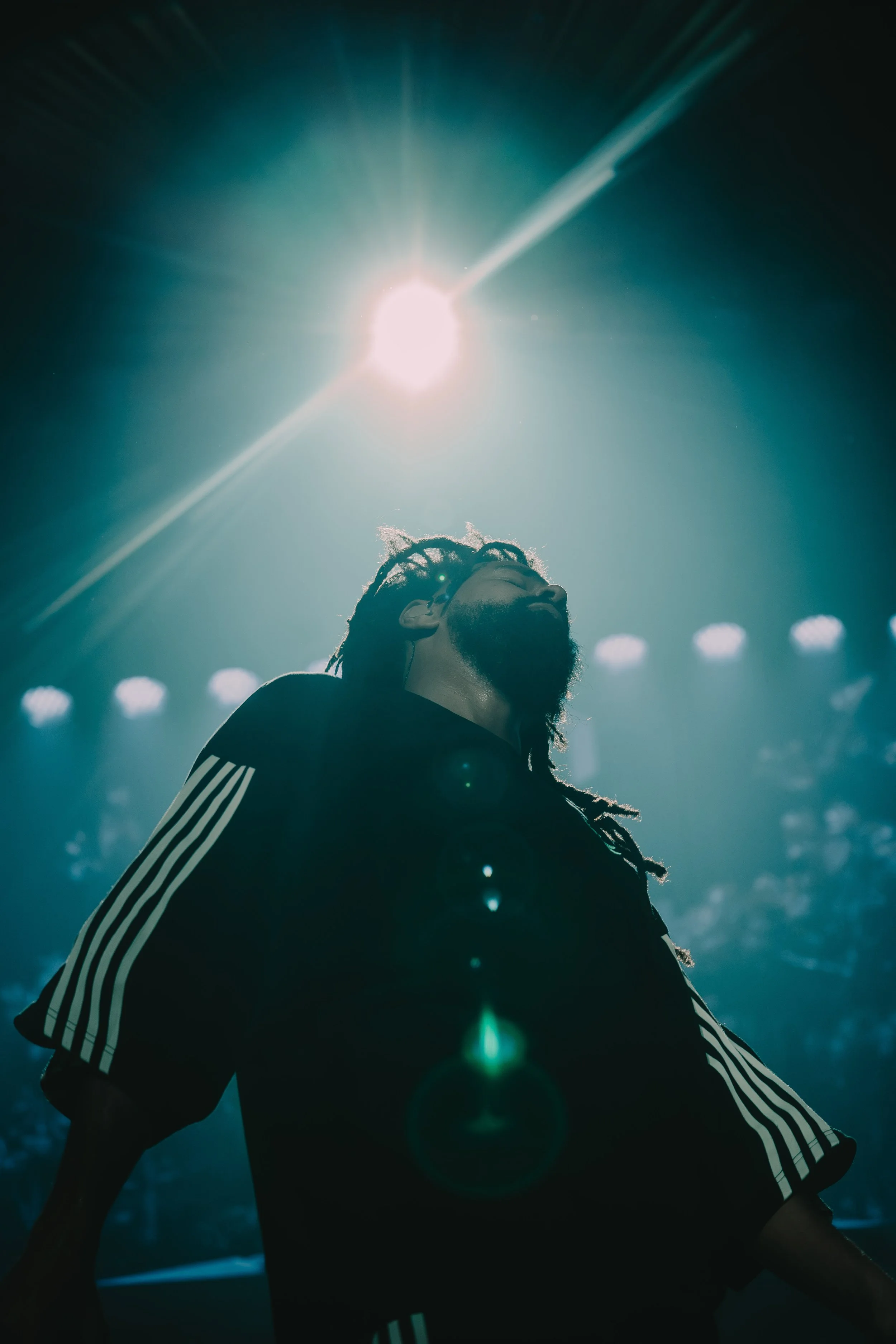
Photo by Keemya Paras for THHGURU
But if the evening spotlighted Cole the man, it also reminded everyone why he is still one of the defining MCs of his generation.
Hip-hop isn't just about clever lyricism. The greatest rappers understand rhythm as architecture. They know exactly when to sprint ahead of the beat, when to lean back behind it, when to stretch a syllable until the room gets tense, and when a heavy silence says more than another bar. Cole has spent twenty years mastering that exact spatial awareness.
Watching him live is a reminder that his catalogue relies on incredible control, not just great penmanship. Every breath has a purpose. Every pause builds anticipation. Complex internal rhymes land with conversational ease, hiding intense technical precision beneath an effortless delivery. Songs that feel restrained through headphones become physical in an arena; you can see the cadence travel through his body before it ever hits the microphone.
That command of rhythm gave the older records a sudden urgency, but it was loudest during “Quik Stop.”

Photo by Keemya Paras for THHGURU
Most arena shows end predictably: the biggest radio hit, the massive anthem, the guaranteed crowd singalong. Cole chose hunger instead.
He didn't treat “Quik Stop” like a nostalgic throwback. It arrived with the desperation of someone who still feels deeply, the same feeling he had back when writing this track. Every verse seemed to pull from deep in his chest. His shoulders tightened around certain bars, and his breathing became part of the backing track. You could watch each line happen physically a split second before you heard it. This wasn’t a superstar going through the motions with an old favorite; it was an MC fighting to reconnect with the kid who wrote those words in the first place.
That obsession with memory carried over into the stage production.
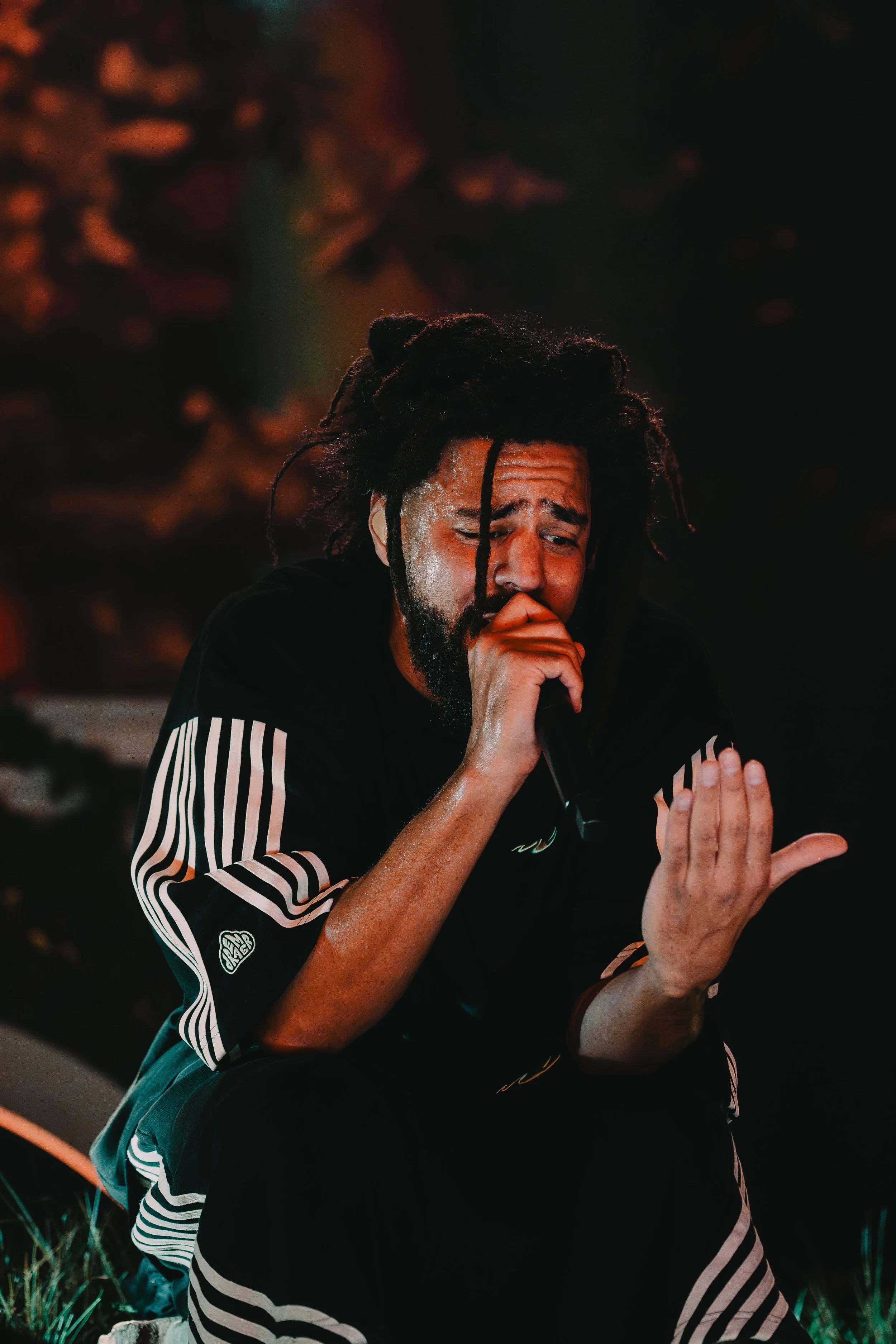
Photo by Keemya Paras for THHGURU
Midway through the set, the towering screens around the stage began rewinding through Cole’s life. Black-and-white photos sped backward through the years. His face grew younger, his beard softened, and then, his trademark dreadlocks vanished from the screen.
For a whole generation of fans, those locks had become inseparable from the artist. They were the silhouette on classic album covers, the image from definitive interviews, and his signature look on festival stages for a decade. Watching them disappear felt strangely exposed. The mythology faded, and all that was left was Jermaine.
Moments later, Cole jumped into music from the 2014 Forest Hills Drive era, collapsing a decade of time into a matter of minutes. The production itself became a time machine: the recreated Fayetteville home standing on stage, the familiar Honda parked nearby, and the stories woven between tracks turned the massive arena into a personal childhood bedroom.
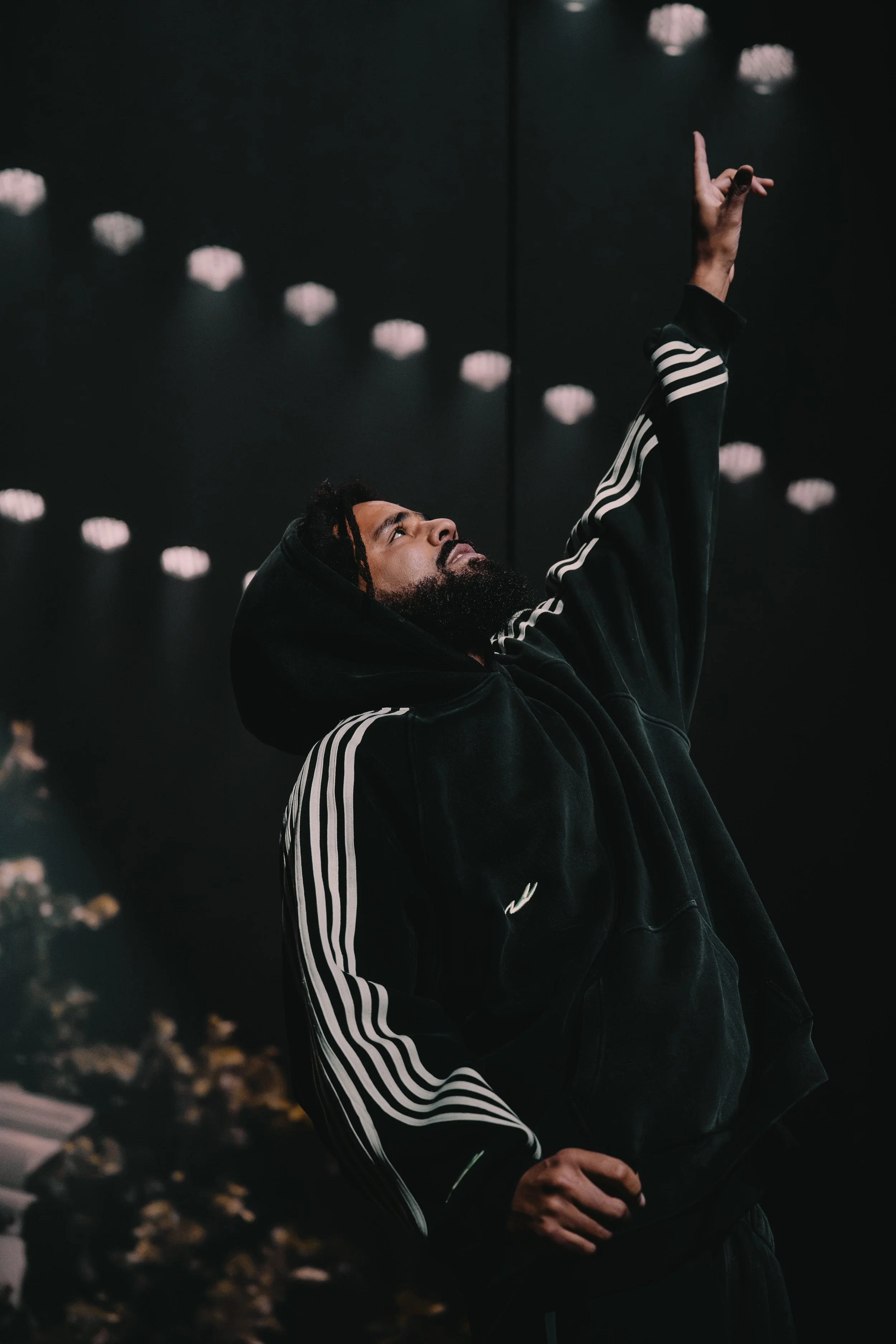
Photo by Keemya Paras for THHGURU
At one point, Cole smiled and asked Toronto for a favor.
“I know none of y’all are from Fayetteville,” he laughed. “But for this next song… can y’all pretend?”
Twenty thousand people didn't hesitate. By the time the song ended, Fayetteville wasn't just a town in North Carolina anymore. It represented every bedroom where someone stayed up writing after the house went dark. Every notebook filled before anyone cared. Every beat made on borrowed gear, and every dream kept secret because saying it out loud felt too dangerous.
We all have our own Fayetteville. Perhaps that’s why Cole’s music lasts. His story is specific enough to feel authentic, but universal enough to mimic our own.
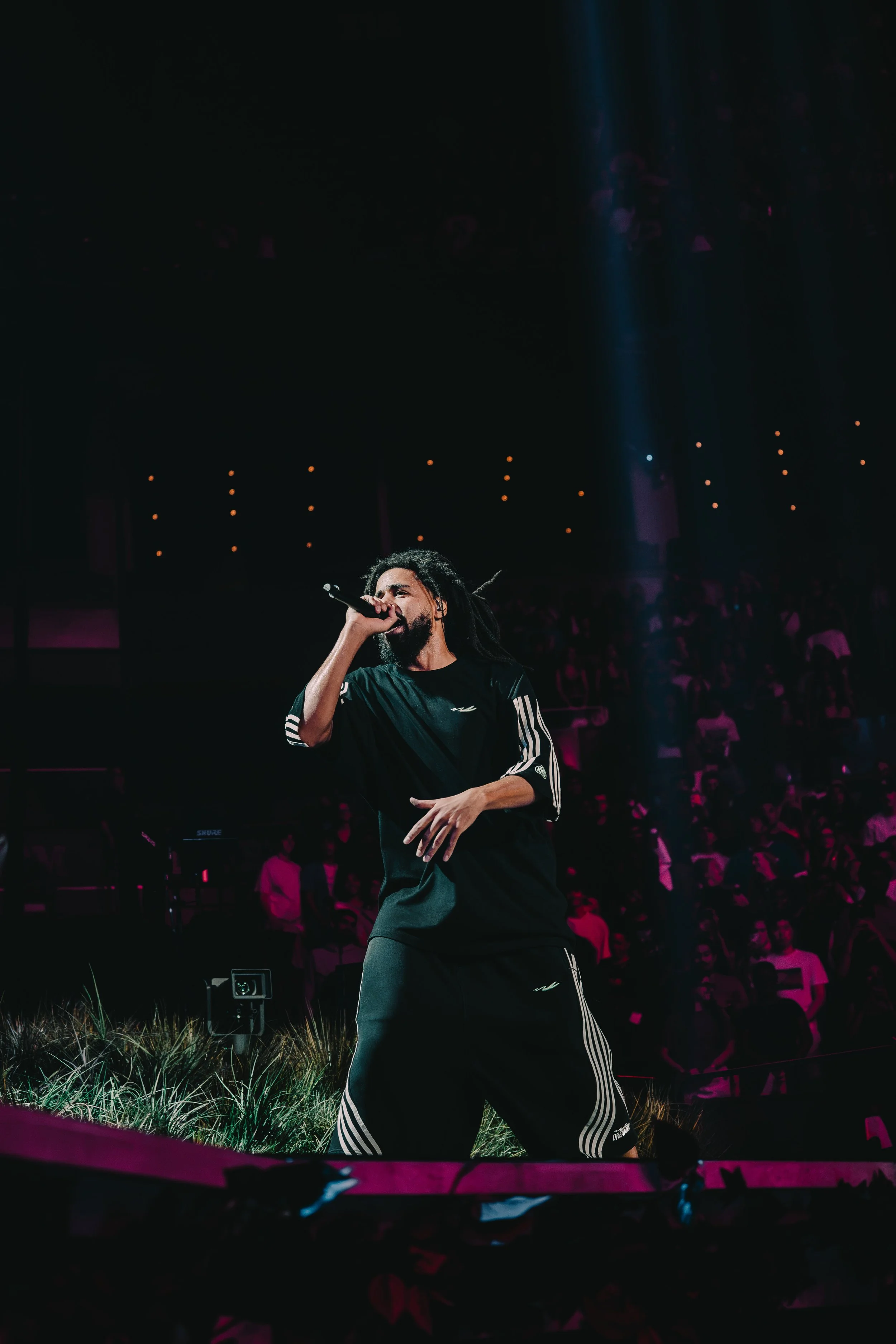
Photo by Keemya Paras for THHGURU
That sense of shared ownership kept bubbling up all night. A fan in the crowd nailed every single intricate bar of “Johnny P’s Caddy” without missing a breath. “Nobody’s Perfect” belonged entirely to the audience for a few minutes. Tellingly, the loudest roars weren’t for the chart-topping radio singles; they were reserved for the deep cuts people had carried through breakups, midnight drives, college dorms, and the hardest seasons of their lives. Those records don't belong to Cole anymore. They belong to the collective memory of the crowd.
Earlier in the show, Cole explained why tracks from Friday Night Lights still anchor his setlist. They aren’t there because streaming algorithms demand them; they’re there because memory does. Twenty years from now, he wants to remember performing the music he wrote before certainty, validation, and arena tours entered the picture—back when nobody believed in the dream except him.
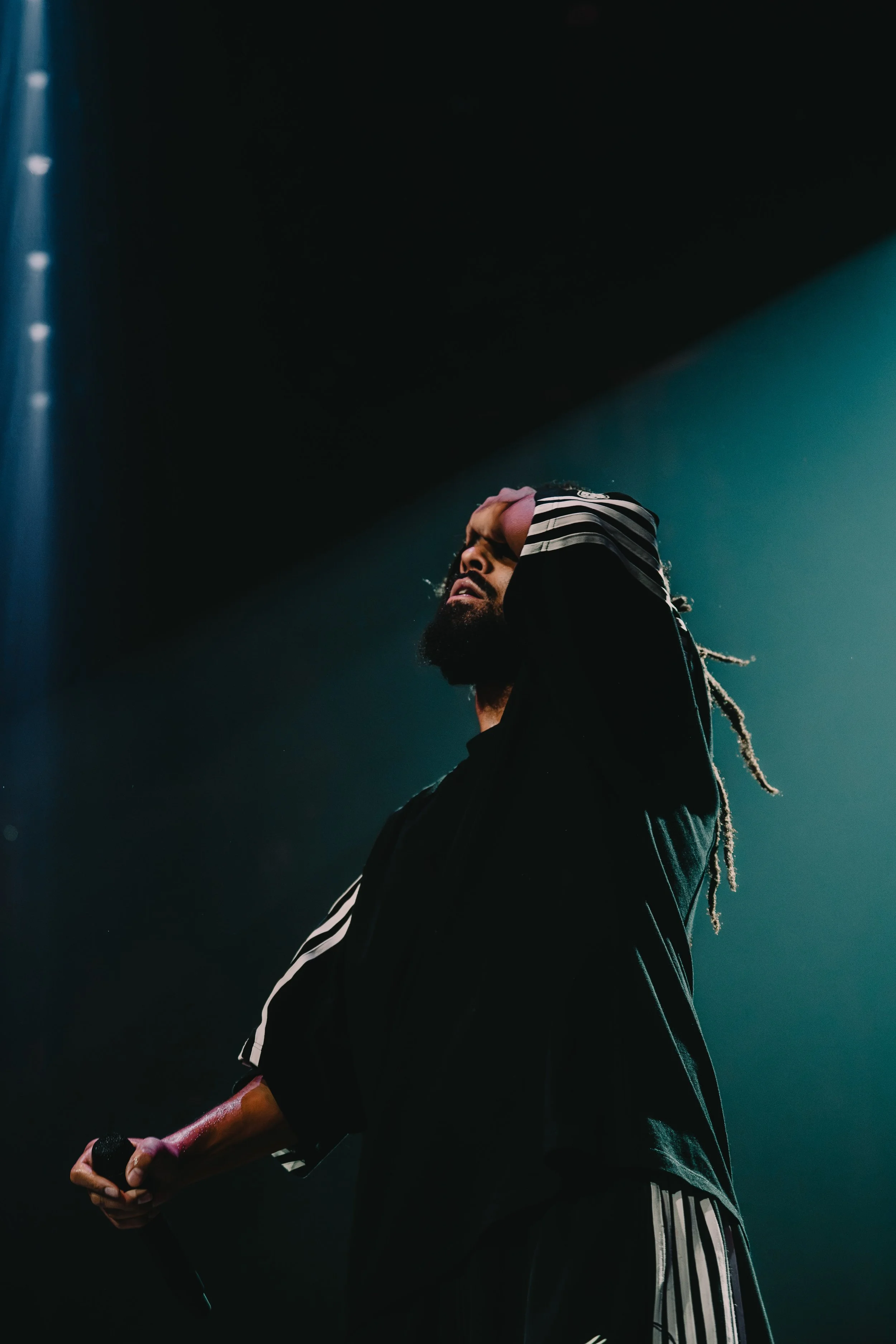
Photo by Keemya Paras for THHGURU
That confession re-contextualized the whole night. The Fall Off Tour isn’t a victory lap documenting success. It is an active effort to preserve ambition.
By the final applause, the evening didn’t feel like an album rollout or a standard retrospective. It felt like an archive of J. Cole’s career, and an archive of the lives that moved alongside it. The childhood photos, the Fayetteville house, the Honda, the mixtapes—they all pointed to the same thesis. Cole didn’t want to finish the night with his biggest record.
He wanted to finish with the person he used to be.
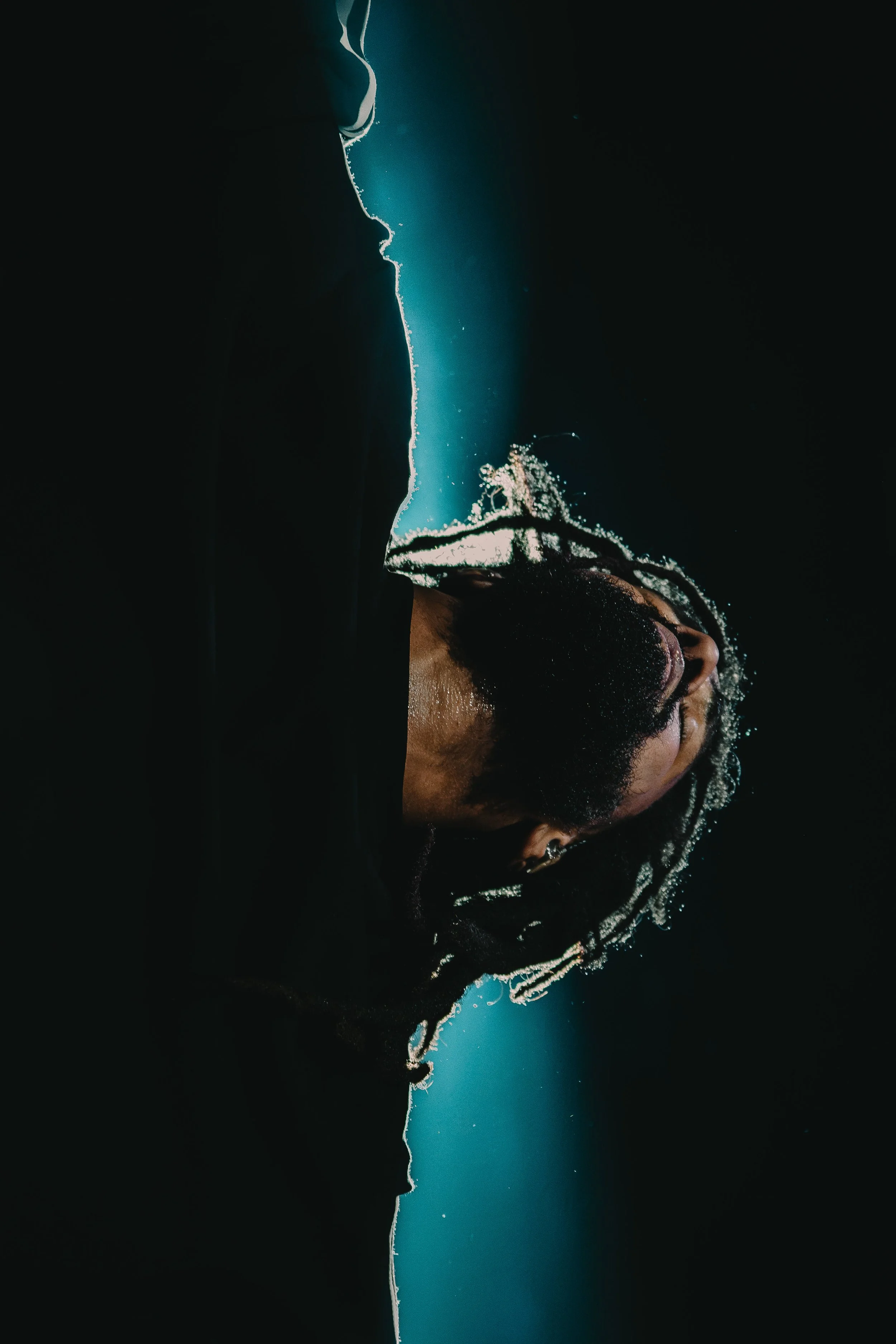
Photo by Keemya Paras for THHGURU
Walking out of Scotiabank Arena, one question lingered above everything else. Where were you when Cole’s penmanship first found you? In breaking the fourth wall, Cole both stepped into the world of his community, and invited them into his. It proved that the space between an artist and an audience isn't a divide to be crossed, but a shared home they’ve been building together for twenty years.
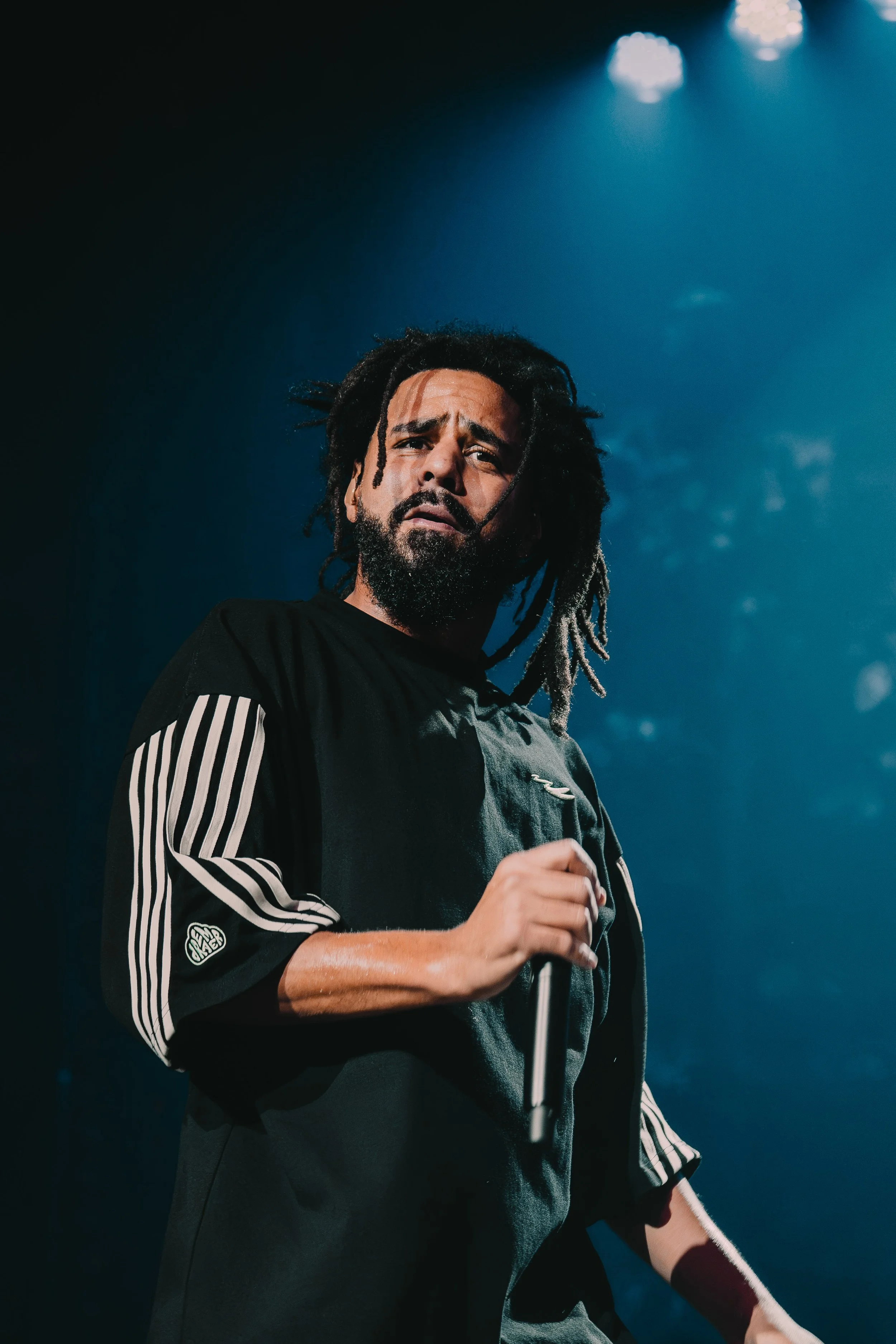
Photo by Keemya Paras for THHGURU
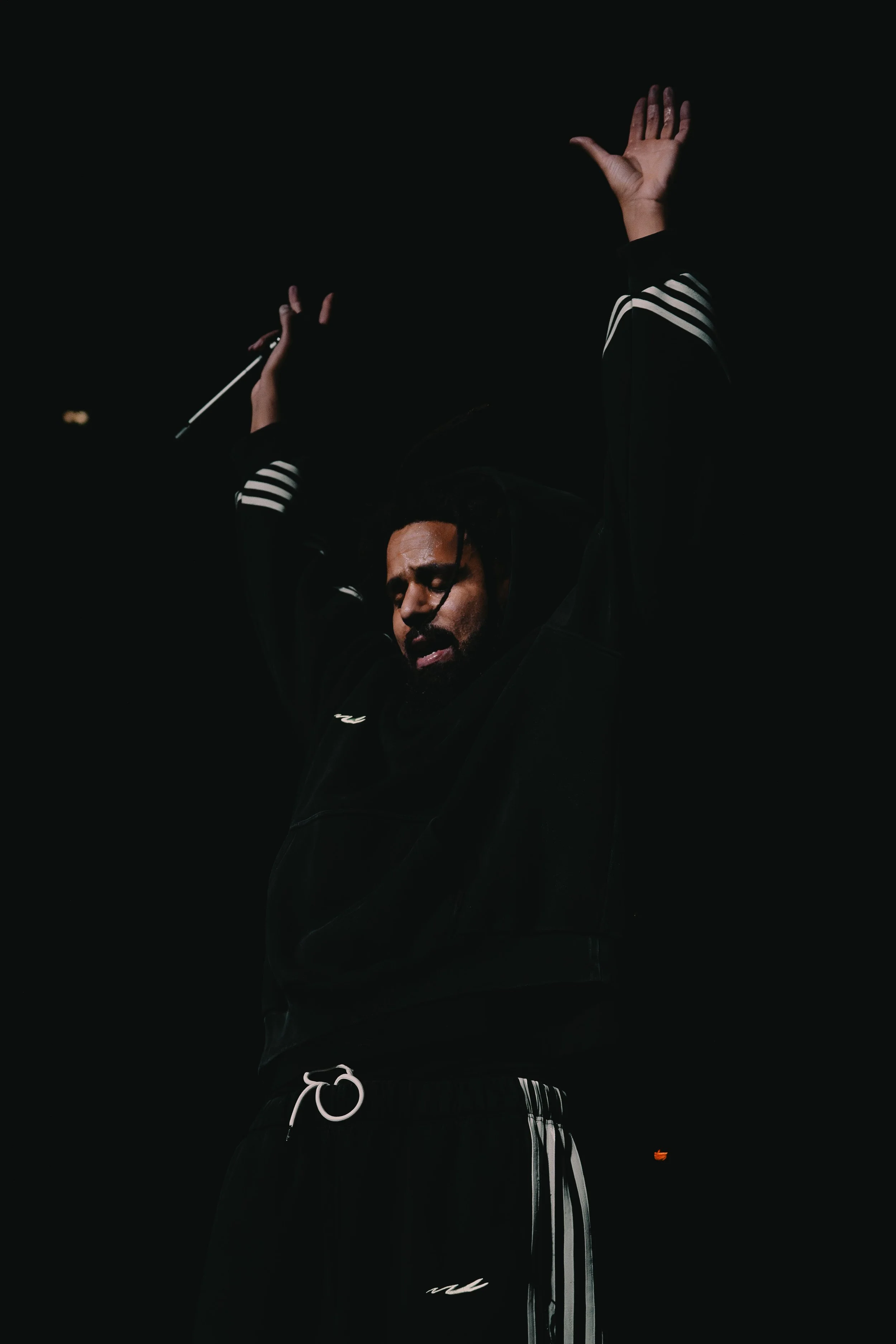
Photo by Keemya Paras for THHGURU